.svg)


The Unofficial Evaluation: What Happens When College Coaches Watch You Without You Knowing
Most players believe recruiting starts when the game kicks off.
It doesn’t.
If you want to play college soccer in the United States, you need to understand something most athletes ignore:
You are being evaluated before, during, and after the game — even when you don’t realize it.
College coaches don’t just recruit talent.
They recruit habits, maturity, and long-term potential.
Let’s break down the unofficial evaluation that happens behind the scenes.
Recruiting Starts Before Kickoff
When a college coach arrives at a showcase or tournament, the evaluation begins immediately.
They are watching:
- Who arrives early
- Who looks organized
- Who is communicating
- Who carries themselves professionally
This is part of the broader college soccer recruiting process. If you don’t fully understand how recruiting works from start to finish, read this complete breakdown of how college soccer recruiting works:
https://www.selectgeneration.com/blog-post/how-does-college-soccer-recruiting-work
Recruiting is not one moment. It’s a system.
And you are inside it the entire time.
Warm-Ups Reveal More Than You Think
Before the first whistle, coaches study:
- Body language
- Focus level
- Technical sharpness
- Intensity
- Leadership tone
Warm-ups show preparation.
They show professionalism.
They show whether a player understands that college soccer is serious.
If you want to know exactly what coaches are thinking during this stage, read what college coaches really think when they watch warm-ups:
https://www.selectgeneration.com/blog-post/what-college-coaches-really-think-when-they-watch-warm-ups
Many players lose points before the game even starts.
The First 15–20 Minutes Matter
Coaches often form early impressions quickly.
They aren’t making final decisions yet — but they are asking:
- Can this player handle the speed of college soccer?
- Do they scan before receiving?
- Do they understand defensive shape?
- Do they communicate under pressure?
If you believe goals and assists are everything, you’re misunderstanding evaluation.
College coaches analyze far more than statistics. Here’s how they evaluate players on game day beyond goals and assists:
https://www.selectgeneration.com/blog-post/how-college-soccer-coaches-actually-evaluate-you-on-game-day-beyond-goals-and-assists
Game intelligence separates players fast.
What Happens When You Don’t Have the Ball
This is where unofficial evaluation becomes obvious.
Coaches watch:
- Recovery runs
- Defensive transitions
- Pressing effort
- Off-ball movement
- Reaction after mistakes
Your response to adversity is often more important than your highlights.
Many players make recruiting mistakes by focusing only on moments when they touch the ball.
If you want to avoid one of the most common recruiting errors, read about the biggest recruiting mistake soccer players make:
https://www.selectgeneration.com/blog-post/the-1-recruiting-mistake-soccer-players-make----and-how-to-avoid-it
Recruiting is about consistency — not flashes.
Behavior on the Bench
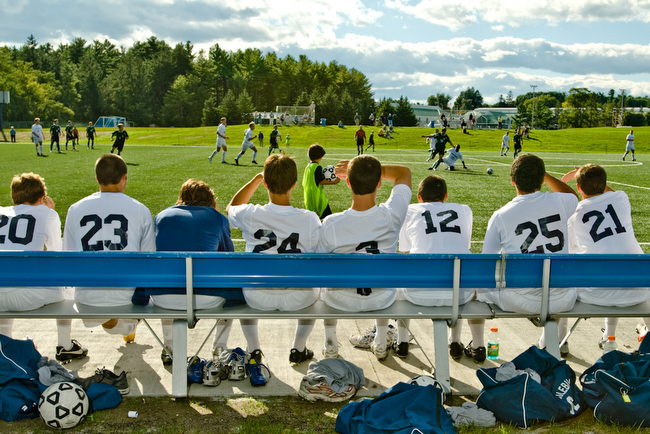
You are still being evaluated when:
- You get subbed
- You don’t start
- You’re injured
- You make a mistake
Coaches observe:
- Body language
- Interaction with teammates
- Coachability
- Emotional control
College soccer programs invest four years in a player.
They want reliability — not drama.
Conversations You Don’t Hear
After tournaments, coaches often speak with:
- Club coaches
- Directors
- Other college staff
They ask about:
- Training habits
- Attitude
- Consistency
- Character
Recruiting does not happen only in front of you.
It continues behind the scenes.
Social Media and Professionalism
Today’s college soccer recruiting process includes digital evaluation.
Coaches check:
- Your online maturity
- Your tone
- Your image
Recruiting is no longer just physical exposure.
It’s full-profile exposure.
The Real Difference Between Average and Elite Recruits
Average recruits perform when watched.
Serious recruits behave professionally all the time.
They:
- Warm up with intent
- Compete in transition
- Respond well to mistakes
- Support teammates
- Follow up respectfully
They understand that recruiting in U.S. college soccer is long-term.
The unofficial evaluation never turns off.
Final Thoughts: Play Like You’re Always Being Watched
Because you are.
College soccer coaches evaluate:
- Preparation
- Consistency
- Reaction to adversity
- Maturity
- Long-term growth
If you want to get recruited to play college soccer in the United States, stop thinking about one performance.
Start thinking about your habits.
That’s what truly gets players circled.