.svg)


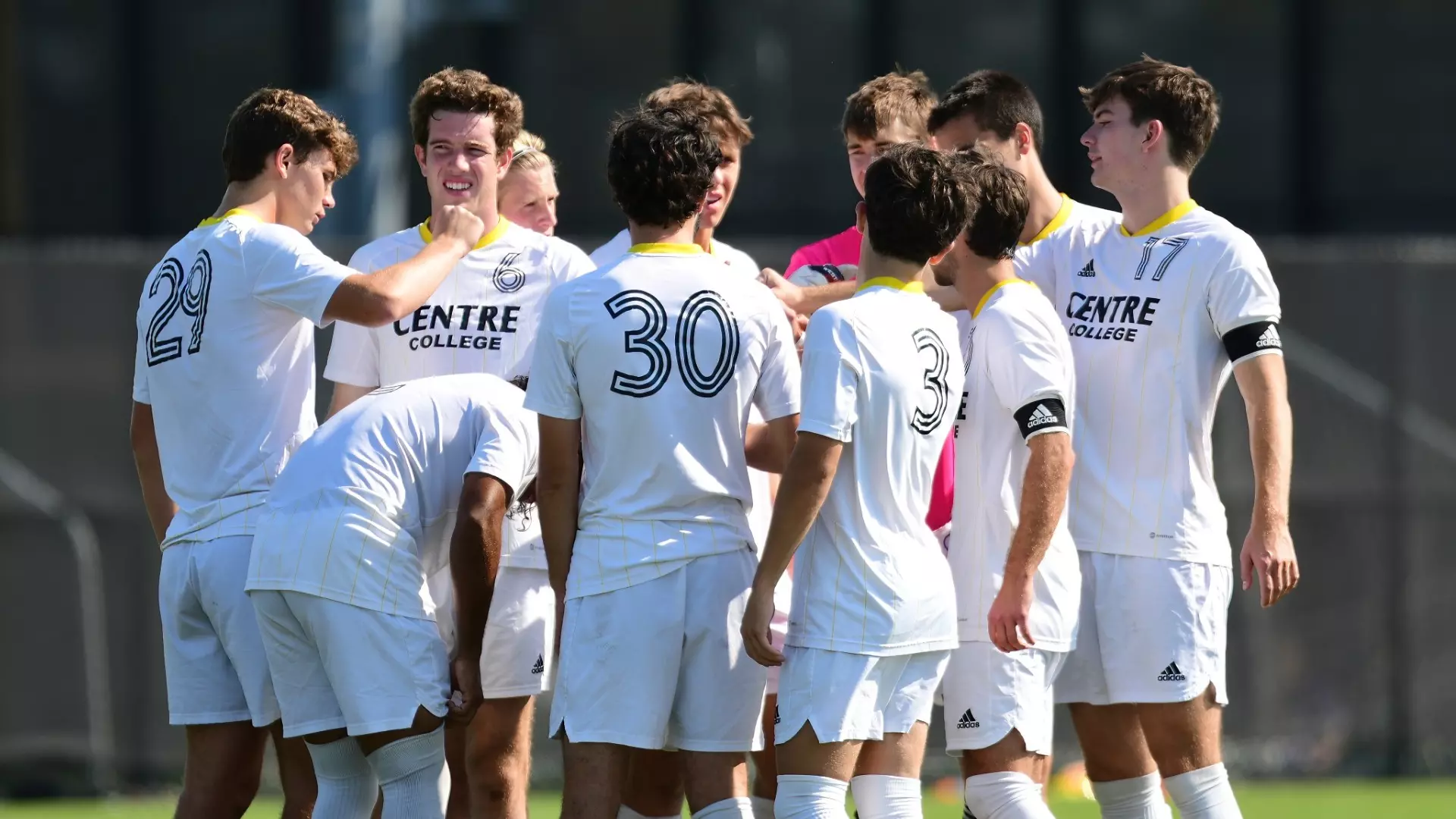
When Your Teammates Become Your Competition: The Side of College Soccer Nobody Talks About
You train together. You travel together. You celebrate victories together.
You wear the same jersey, represent the same team, and work toward the same goal.
But there is something about competitive soccer that players do not always talk about.
Sometimes, the teammate you are supposed to support is also the player competing for your position, your minutes, or the opportunity you have been working toward for years.
Maybe your teammate gets invited to a college soccer ID camp while you receive no invitations.
Maybe they start getting emails from college coaches, and your inbox stays empty.
Maybe the coach chooses them for the starting lineup, even though you believe you have been performing better in training.
You want to be happy for them.
But part of you feels disappointed, frustrated, or even jealous.
Does that make you a bad teammate?
Not necessarily.
Competition within a soccer team is normal. But when players do not know how to manage it, that competition can slowly turn into resentment, broken trust, and unhealthy team dynamics.
For high school and club soccer players hoping to play college soccer in the United States, learning how to navigate these situations is just as important as preparing for the physical and tactical demands of the next level.
Because college soccer is not just about competing against other teams. It is also about learning how to compete for your place while remaining part of the team.
The Competition Nobody Sees
When people talk about soccer competition, they usually focus on opponents.
Winning games. Scoring goals. Defending against strong players. Competing for championships.
But there is another type of competition happening every day.
It happens during training.
During team selections.
When coaches evaluate players.
When someone returns from an injury.
When a new recruit joins the roster.
And when two players want the same position.
Imagine you are a center midfielder who has started almost every game for your club team.
Then a new player arrives.
They are talented, confident, and play your position.
Suddenly, your starting spot is no longer guaranteed.
You may begin comparing everything.
Who receives more praise?
Who makes fewer mistakes?
Who gets more playing time?
Who does the coach trust?
That pressure can affect how you train, communicate, and interact with your teammates.
The problem is not that you want to earn your position.
The problem begins when another player's success starts feeling like a personal threat.
When Your Teammate Gets Recruited Before You
This is especially relevant during the college soccer recruiting process.
Imagine attending the same showcase as your teammate.
You both play well.
After the tournament, they receive messages from several college coaches.
You receive nothing.
Your teammate is excited and starts talking about potential opportunities.
You congratulate them, but privately, you wonder:
"Why them and not me?"
Maybe you start questioning your ability.
Maybe you feel overlooked.
Maybe you begin comparing your statistics, playing time, or technical skills.
Those reactions are understandable.
But college soccer recruiting is not a simple ranking of players from best to worst.
Programs recruit based on their roster needs, playing style, graduation classes, positions, academic requirements, and many other factors.
A coach recruiting your teammate does not automatically mean that player is better than you.
It may mean they fit something that particular program needs.
Your responsibility is to continue developing and finding programs that match your own qualities.
Someone else's recruiting opportunity is not proof that yours is disappearing.
Jealousy Can Change How You Play
Jealousy does not always appear as an argument or an obvious conflict.
Sometimes it changes small decisions.
You stop celebrating a teammate's success.
You become frustrated when they receive praise.
You hesitate to pass to them.
You criticize their mistakes more than anyone else's.
You start focusing on proving that you are better instead of helping the team perform.
These behaviors can damage team chemistry without anyone openly acknowledging the problem.
Imagine two forwards competing for the same starting position.
One receives the ball in a dangerous area and has an opportunity to pass to the other.
Instead, they force a difficult shot because they want to be the one who scores.
The decision may seem minor.
But when individual competition repeatedly affects team decisions, everyone suffers.
College coaches need players who can compete intensely without allowing personal rivalry to interfere with the team's performance.
You can want the starting position.
You can want to score.
You can want to be recruited.
But those ambitions should not require another player to fail.
Favoritism: What If You Think the Coach Has Favorites?
Few situations create more tension inside a soccer team than the feeling that certain players receive special treatment.
Maybe one teammate starts despite making mistakes.
Maybe another player receives more opportunities.
Maybe you believe your performances deserve more recognition.
It can be tempting to conclude that the coach has favorites.
Sometimes concerns about unfair treatment may be legitimate.
But playing time decisions can also involve information players do not see.
A coach might be considering tactical responsibilities, training consistency, defensive organization, opponent matchups, or specific team needs.
Before assuming the worst, ask yourself:
Do I understand what the coach expects from my position?
Instead of comparing yourself constantly with another player, request specific feedback.
For example:
"Coach, I'd like to understand what I need to improve to compete for more playing time. What should I focus on?"
That conversation gives you something productive to work toward.
If there is a serious pattern of unfair treatment, discrimination, harassment, or retaliation, seek support from an appropriate trusted adult or school official rather than trying to manage the situation alone.
The goal is to respond with information and maturity, not rumors or accusations.
Cliques: When the Team Starts Dividing Into Groups
Not every problem inside a soccer team happens on the field.
Sometimes the biggest issues develop in the locker room.
A group of players always sits together.
Certain teammates are excluded from conversations.
Inside jokes become personal.
New players struggle to feel accepted.
Some players receive invitations to social activities while others are consistently left out.
Friendships are normal.
Not everyone on a team needs to be best friends.
But there is a difference between having close friends and creating an environment where other players feel unwelcome.
In college soccer, teammates often spend significant time together through training, classes, travel, meals, and competition.
A divided locker room can make that experience much harder.
If you notice someone being excluded, small actions can help.
Invite them into a conversation.
Include them during team activities.
Avoid participating in rumors.
Treat newer or quieter players with the same respect as established starters.
And if exclusion becomes bullying or harassment, it deserves a more serious response.
A strong team culture does not require everyone to be friends. It requires everyone to be treated with respect.
When Locker Room Competition Becomes Toxic
Healthy competition pushes players to improve.
Toxic competition makes players afraid of one another.
The difference is not always obvious.
Healthy competition sounds like:
"I want to earn that starting position, so I need to improve."
Toxic competition sounds like:
"I hope my teammate plays badly so I get my chance."
That change in mindset matters.
When teammates start celebrating each other's failures, trust disappears.
Players may become reluctant to share information, communicate openly, or support one another.
And the entire team can suffer.
This is why building strong team chemistry in college soccer involves more than spending time together. It requires respect, communication, accountability, and a shared commitment to the team's success.
Competition should raise the team's standards, not destroy relationships.
What Happens When Your Teammate Takes Your Starting Position?
Imagine arriving at training and discovering that the coach has changed the starting lineup.
The player replacing you is someone you consider a friend.
You feel disappointed.
Maybe embarrassed.
Maybe angry.
Those emotions do not automatically make you a bad teammate.
Losing your starting position can be difficult, especially when you have invested so much time and effort into earning it.
But how you respond matters.
You have choices.
You can distance yourself from the teammate who replaced you.
You can complain to other players.
You can stop putting effort into training.
Or you can ask your coach what you need to improve, continue competing, and maintain a respectful relationship with your teammate.
That does not mean pretending you are happy about losing your position.
It means understanding that you can be disappointed about your situation without blaming someone else for succeeding.
For college soccer recruits, understanding how college coaches build their recruiting classes and evaluate roster needs can also help explain why competition for positions is a normal part of the college environment.
How to Compete Without Turning Teammates Into Enemies
You do not need to eliminate competition.
In fact, competing for positions can make everyone better.
The goal is to manage that competition in a productive way.
Here are a few habits worth developing before entering college soccer.
1. Focus on What You Can Control
You cannot control whether your teammate scores, starts, or receives recruiting attention.
You can control your preparation, effort, attitude, and development.
2. Separate Your Teammate's Success From Your Self-Worth
Another player's achievement does not automatically mean you are falling behind.
College soccer recruiting is not a race where everyone receives the same opportunities at the same time.
3. Avoid Locker Room Gossip
Complaining about teammates behind their backs rarely solves the problem.
If you have a concern, address it respectfully with the appropriate person.
4. Compete Hard During Training
You do not need to hold back simply because you are friends with someone.
Challenge them.
Make them work.
Push each other to improve.
5. Respect the Person Even When You Want Their Position
You can want to start ahead of another player without treating them as an enemy.
That is one of the most important distinctions in competitive team sports.
What If the Team Environment Is Genuinely Unhealthy?
Not every team conflict can be solved by improving your attitude.
Sometimes the problem is bigger.
A player may experience repeated humiliation, bullying, discrimination, threats, or pressure to participate in inappropriate behavior.
Those situations should not be dismissed as normal competition.
If something feels seriously wrong, speak with a trusted adult, coach outside the conflict, school counselor, athletic administrator, or another appropriate support person.
If a coach is involved in the behavior, seek help from someone outside that coach's authority.
You should not have to tolerate mistreatment to prove that you are committed to soccer.
A competitive environment can be demanding without becoming abusive.
Being mentally tough does not mean accepting harmful behavior.
How Can You Recognize Team Culture Before Committing to College?
This is where the topic becomes especially important for high school and club soccer recruits.
When researching college soccer programs, players often focus on facilities, scholarships, division level, and the coaching staff.
But what about the players already on the team?
How do they treat each other?
What happens when someone makes a mistake?
How do starters interact with substitutes?
Do freshmen feel included?
Does the team support players who are injured or struggling?
These questions can reveal things that statistics and recruiting presentations cannot.
During a campus visit, consider asking current players:
- "How competitive is training between players in the same position?"
- "How do teammates respond when someone loses their starting spot?"
- "Do freshmen feel comfortable speaking up?"
- "How does the team handle disagreements?"
- "What is something you wish you had known about the team before joining?"
Listen carefully to their answers.
You can also observe how players interact when they are not speaking directly to a recruit.
Do not judge an entire program based on one conversation, but pay attention to patterns.
Understanding how to evaluate whether a college soccer program is the right fit beyond the field can help you make a more informed decision before committing.
You Don't Have to Be Best Friends to Be Great Teammates
One of the biggest misconceptions about team chemistry is that everyone needs to be close friends.
That is not realistic.
A college soccer roster brings together players with different backgrounds, personalities, interests, and experiences.
Some teammates will naturally become your closest friends.
Others may simply be people you respect and work well with.
And that is okay.
You do not need to spend every weekend together.
You do not need to agree about everything.
You do not even need to have the same personality.
What matters is that you can communicate, cooperate, compete, and respect one another.
A strong team is not one without disagreements.
It is one where disagreements do not prevent players from working toward a shared goal.
The Questions Every Player Should Ask Themselves
Before your next training session or game, think about how you respond to competition within your own team.
Ask yourself:
Can I genuinely congratulate a teammate who earns an opportunity I wanted?
Do I treat substitutes with the same respect as starters?
Do I become frustrated when another player receives more attention?
Have I ever allowed jealousy to affect my decisions on the field?
Can I compete for a position without damaging a friendship?
Do I contribute to gossip or exclusion?
Would my teammates describe me as someone they can trust?
These questions are not meant to make you feel guilty.
They are meant to help you recognize behaviors that can affect your experience in college soccer.
The earlier you develop healthy habits, the better prepared you will be for the competitive environment ahead.
Final Thoughts: Your Teammates Can Be Your Competition Without Becoming Your Enemies
College soccer in the United States is competitive.
Players want to start.
They want more minutes.
They want recognition.
They want to earn opportunities.
And sometimes, two teammates want exactly the same thing.
That reality will not disappear.
But you get to decide how you respond.
You can let comparison create resentment.
You can let jealousy affect your relationships.
You can turn every training session into a personal battle against the people wearing your jersey.
Or you can recognize that competition and respect can exist together.
You can push someone to become better while working to earn the position they currently hold.
You can feel disappointed about your own situation while still acknowledging another player's success.
You can fight for your future without hoping someone else fails.
Your teammates may be competing for the same opportunities, but that does not mean they have to become your enemies.
And learning that lesson before college could make a major difference in the kind of player, teammate, and person you become.



.webp)


