.svg)


How College Soccer Coaches Evaluate Your Consistency Over an Entire Season (Not Just Your Best Games)
When most high school soccer players think about the college recruiting process, they picture one defining moment—a showcase, an ID camp, or a standout game where everything goes perfectly. They believe that if they play well enough on that single day, college coaches will immediately want to recruit them.
The reality is very different.
While one great performance can certainly get a coach's attention, most college soccer coaches don't make recruiting decisions based on one match alone. Instead, they look for something much harder to fake: consistency.
A player who performs at a high level week after week is usually a safer investment than someone who has incredible talent but fluctuates from game to game. Coaches are building teams that need reliable players for four years, not just stars for one afternoon.
Understanding how coaches evaluate consistency can help you become a stronger recruit and improve your chances of playing college soccer in the United States.
Why Consistency Matters More Than One Great Performance
Every college coach has watched players dominate a showcase only to struggle in future evaluations.
Likewise, they've also seen athletes who never looked spectacular but consistently made smart decisions, competed hard, and helped their teams win every time they were evaluated.
Recruiting isn't simply about finding the most talented player.
It's about identifying players coaches can trust.
That trust develops over multiple evaluations, conversations, video reviews, and observations throughout an entire recruiting cycle.
The more consistently you perform, the easier it becomes for coaches to picture you contributing to their program.
If you're wondering what coaches focus on during games, you may also enjoy reading How College Soccer Coaches Actually Evaluate You on Game Day (Beyond Goals and Assists):
https://www.selectgeneration.com/blog-post/how-college-soccer-coaches-actually-evaluate-you-on-game-day-beyond-goals-and-assists
What Does Consistency Actually Mean?
Many players assume consistency means scoring goals every game.
That's only one small piece of the evaluation.
College coaches typically evaluate consistency in several different areas.
Technical Ability
Can you control difficult passes?
Do you complete simple passes under pressure?
Are your first touches reliable?
Do your technical skills hold up regardless of the opponent?
The best recruits rarely make careless technical mistakes.
Tactical Decision-Making
Coaches love players who consistently make good decisions.
That includes:
- Knowing when to press.
- Choosing the right pass.
- Understanding defensive positioning.
- Reading the rhythm of the game.
- Playing within the team's system.
Great decisions often matter more than flashy plays.
Physical Performance
Fitness is another major indicator.
Can you maintain your work rate in the final 20 minutes?
Do you recover quickly after intense runs?
Can you compete physically against stronger opponents?
Consistency means your level doesn't drop dramatically as games become more demanding.
Coaches Watch More Than You Think
Many recruits believe coaches only evaluate them when they know they're being watched.
That's rarely true.
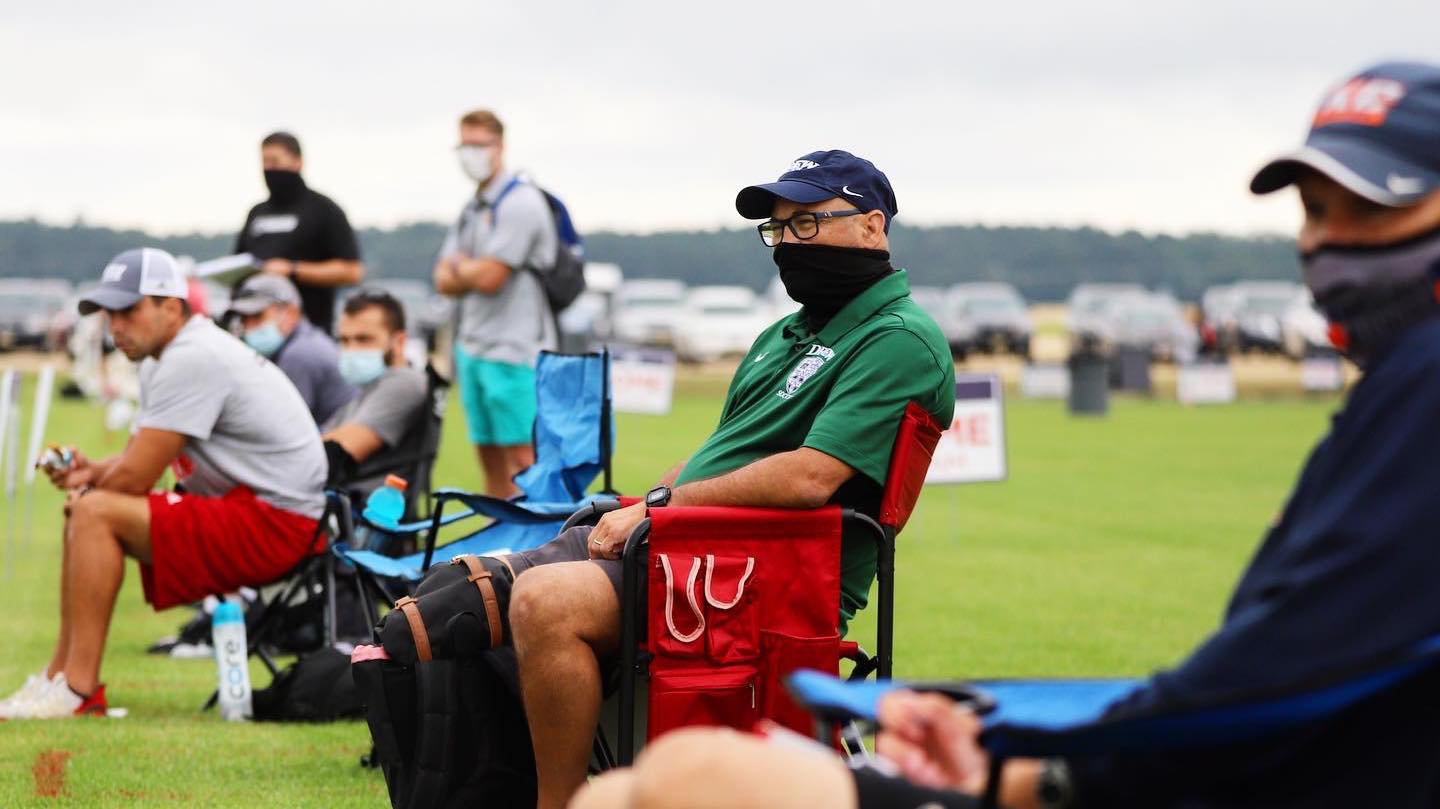
College coaches often revisit highlight videos, watch additional games online, ask trusted club coaches for feedback, attend multiple tournaments, and compare performances over several months.
This is one reason long-term development matters far more than trying to impress during a single weekend.
If you'd like to understand how coaches monitor players over extended periods, check out How College Coaches Track You Over Time, Not Just at Showcases:
https://www.selectgeneration.com/blog-post/how-college-coaches-track-you-over-time-not-just-at-showcases
Body Language Never Stops Being Evaluated
One poor reaction after being substituted probably won't eliminate you from consideration.
Repeated negative behavior might.
College coaches pay attention to:
- Response after mistakes.
- Communication with teammates.
- Reactions toward referees.
- Energy while on the bench.
- Effort after losing possession.
- Leadership during difficult moments.
These behaviors reveal maturity.
Remember, coaches aren't only recruiting soccer players.
They're recruiting future teammates.
Practice Habits Influence Recruiting
Many conversations between club coaches and college coaches include questions like:
"How does this player train?"
"Are they coachable?"
"Do they improve throughout the season?"
"Do teammates respect them?"
A player who consistently works hard during training often develops faster than someone who relies only on natural ability.
Improvement throughout the season is one of the strongest signs that a recruit will continue developing in college.
Improvement Matters More Than Perfection
Here's something many players don't realize.
College coaches expect recruits to have weaknesses.
No high school player is complete.
What coaches really want to see is progress.
If your first evaluation revealed weaknesses, what happened three months later?
Did you improve?
Did you become stronger?
Did your decision-making get faster?
Did your confidence grow?
Players who consistently improve are often more attractive recruits than players who appear to have already reached their ceiling.
Consistency Off the Field Is Equally Important
Your recruiting journey includes much more than soccer.
Coaches notice whether you consistently:
- Respond to emails professionally.
- Follow up after conversations.
- Maintain strong academic performance.
- Keep your highlight video updated.
- Meet deadlines.
- Demonstrate maturity.
These habits build confidence.
A coach who trusts your character is much more likely to continue recruiting you.
That's why maintaining communication throughout the recruiting process is so important.
The article The Art of Follow-Up: How to Stay Top of Mind Without Being Annoying offers practical advice for staying connected with college coaches without overwhelming them:
https://www.selectgeneration.com/blog-post/the-art-of-follow-up-how-to-stay-top-of-mind-without-being-annoying
How Coaches Compare Your Performances
One of the biggest misconceptions in college soccer recruiting is that coaches evaluate players in isolation.
In reality, they're constantly comparing recruits.
A coach may watch three central midfielders over the course of a season. None of them may be perfect, but one consistently demonstrates the qualities the program values most.
Questions coaches often ask themselves include:
- Which player competes hard every game?
- Who makes the fewest costly mistakes?
- Who performs well against stronger competition?
- Who improves as the season progresses?
- Which player would fit our team culture?
When viewed this way, recruiting becomes less about having one spectacular performance and more about proving that your level is dependable over time.
Why Coaches Love Reliable Players
Every college program has talented players.
What separates successful teams is reliability.
A reliable defender organizes the back line every match.
A reliable midfielder keeps possession under pressure.
A reliable forward presses consistently, creates chances, and contributes even when they don't score.
These are the players coaches trust in important conference matches and championship tournaments.
While highlight-reel moments may attract attention, reliability earns playing time.
Consistency During Difficult Moments
Anyone can play well when everything is going their way.
The best recruits maintain their standards when facing adversity.
Coaches notice how you respond when:
- Your team is losing.
- You make an early mistake.
- The referee makes a questionable decision.
- You're playing out of position.
- The opponent is physically stronger.
- Weather conditions make the game more challenging.
These situations reveal resilience, emotional control, and maturity.
Players who stay composed during difficult moments often become valuable leaders at the college level.
Small Habits That Build Consistency
Consistency isn't created overnight.
It's built through daily habits that gradually improve your performance.
Successful recruits often:
- Follow a structured training routine.
- Prioritize sleep and recovery.
- Eat consistently healthy meals.
- Watch game film to identify areas for improvement.
- Set weekly development goals.
- Communicate regularly with their coaches.
- Take responsibility for their own progress.
These habits may seem ordinary, but over the course of an entire season, they create extraordinary results.
Your Entire Recruiting Timeline Matters
Many athletes treat recruiting like a series of isolated events.
Instead, think of it as one continuous story.
Every tournament, league match, training session, email, phone call, ID camp, and campus visit adds another chapter.
College coaches are looking for patterns—not isolated moments.
That's why understanding the recruiting timeline is so valuable. If you're unsure what you should be doing at each stage, read The Real College Soccer Recruiting Timeline: What Players Should Do From Freshman to Senior Year:
Building consistency also becomes much easier when you have a long-term strategy. A year-round approach helps players avoid periods of inactivity and keeps them progressing toward their goals. Learn how to create one in How to Build a 12-Month Recruiting Action Plan for College Soccer:
What You Can Control
You can't control which tournaments coaches attend.
You can't control injuries, weather, or the level of your opponents.
You can't control every recruiting decision.
What you can control is showing the same commitment every day.
You can control your effort.
You can control your attitude.
You can control your preparation.
You can control your communication.
You can control your willingness to improve.
Those are the qualities coaches remember long after the final whistle.
Final Thoughts
One outstanding game may help a college coach notice you, but consistency is what convinces them to continue evaluating you—and eventually offer you a place in their program.
The college soccer recruiting process rewards players who demonstrate reliability over months, not minutes. Coaches want athletes they can trust academically, athletically, and personally. Every practice, every game, and every interaction contributes to that reputation.
Instead of asking yourself, "How can I have the best game of my life this weekend?" ask a better question:
"How can I become the player who performs at a high level every single week?"
Players who embrace that mindset don't just become stronger recruits—they become better teammates, better competitors, and better college soccer players.